- Petitgrain = lá + cành nhỏ của cùng cây cam đắng (Citrus x aurantium) — phần thực vật khác hoàn toàn với Neroli (hoa) và Bitter Orange (vỏ quả). Co-product family của một cây.
- Hazards: None known. Contraindications: None known. Non-phototoxic (Ford 1992 mice + swine) — không như vỏ bitter orange (phototoxic 1.25%).
- 2 chemotype thương mại: Bigarade (higher-grade, linalyl acetate 51–71%) vs Paraguayan (cheaper, linalyl acetate 47.4–58%). Bigarade thường bị adulterated bởi Paraguayan; Paraguayan tự nó cũng bị synthesize.
- Linalyl acetate + linalool chiếm 70–95% → ester-alcohol dominant; ester cung cấp relaxing profile tương tự lavender nhưng tone clearer/green hơn.
- Framework default 5% dermal (không có T&Y restriction). Linalool peroxide cảnh báo: storage + antioxidant recommended.
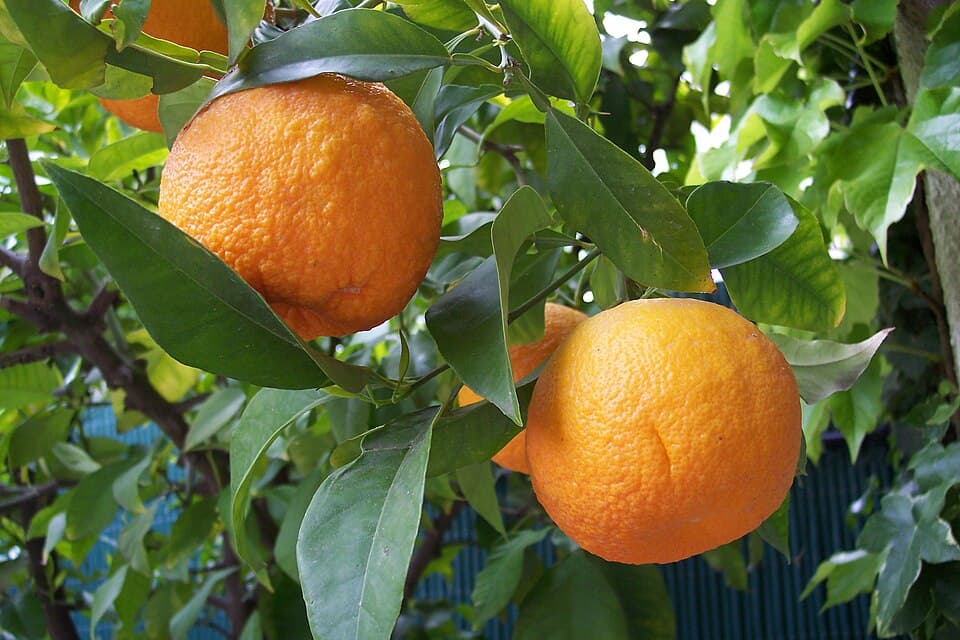
Tổng Quan
- Danh pháp khoa học
- Citrus x aurantium L.
- Họ thực vật
- Rutaceae
- Bộ phận dùng
- Fresh leaves and young twigs/small branches (lá tươi và cành non)
- Phương pháp chiết xuất
- Steam distillation (chưng cất hơi nước); low-pressure steam; distillation time ~3.5 hours
- Màu sắc
- Pale yellow to light olive-green; clear mobile liquid
- Phân loại nốt hương
- Nốt Top
- Hương thơm
- Top–Heart note; fresh, woody-floral, slightly citrus-green; reminiscent of neroli but drier, woodier, and less narcotic; characteristic bitter-green freshness with floral-acetate sweetness
- Chemotype / Cultivar
- var. *amara* (Bitter Orange / Cam đắng); Chemotype: **Linalyl acetate / Linalool** — standard bigarade CT; secondary regional CT with higher linalool proportion exists (Egypt); Paraguay-origin oil characteristically high linalyl acetate (40–72%)
Các quốc gia sản xuất chính
Paraguay ★★★★★ (>80% global supply180–200 tonnes/year)France (Grasse) ★★★☆☆Morocco ★★★☆☆Egypt ★★★☆☆Italy (Calabria) ★★☆☆☆
Tình trạng tại Việt Nam
⭐⭐⭐☆☆ — Imported; widely available under name "tinh dầu lá chanh (petitgrain)" at Vietnamese aromatherapy suppliers; Paraguay-origin most common. Price: ~150,000–400,000 VND / 10 ml at mid-market; specialist organic grade higher. NOTE: Vietnamese market commonly mislabels this as "tinh dầu lá chanh" (lime/lemon leaf oil) — verify Latin name on label.
Phân loại nốt
Top–Heart (primarily top, with
Cường độ
Đang cập nhật
Độ bền trên da
2–4 hours (skin); 6–10 hours on fabric; Paraguay-origin has higher tenacity than French-origin
Họ hương
[Primary: Woody-Floral / Green-Floral] [Secondary: Citrus / Fresh]
Hương đầu (Opening)(0–15 phút)
Fresh, woody, floral-acetate, green, slightly bitter-citrus, clean, dry
Hương giữa (Heart)(15–60 phút)
Tươi mát – xanh lá – hoa nhẹ – gỗ khô – sạch thoáng — ít ngọt hơn neroli, ít nồng hơn hoa cam absolute
Hương nền (Drydown)(1–4 giờ)
2–4 hours (skin); 6–10 hours on fabric; Paraguay-origin has higher tenacity than French-origin
Da khô
3/5
Usable but not a primary choice; linalool offers mild skin support; combine with rich carrier (sweet almond, argan); ensure hydration focus elsewhere
Da dầu/mụn
5/5
Excellent — sebum-regulating, antimicrobial against acne bacteria, non-comedogenic; use 1% in jojoba or grapeseed toner/serum
Viêm da cơ địa
4/5
Anti-inflammatory linalool + antispasmodic esters soothing; use ≤0.5% in hemp seed or evening primrose carrier during remission; avoid active flare
Da lão hóa
4/5
Antioxidant + cell-renewing linalool beneficial; combine with rosehip carrier; use in evening blend at 0.5–1%; less cytophylactic than rose or neroli but useful
Da nhạy cảm
3/5
Patch test; linalool can cause sensitisation at >2%; stay ≤0.5% for sensitive skin; avoid if linalool-allergic (EU 26)
Da hỗn hợp
5/5
Top recommendation — balances T-zone oiliness while acceptable on dry zones; jojoba-based toner at 0.5% ideal
Nhập khẩu**Tier 3 Emerging / Imported** — *Citrus aurantium* is cultivated in Vietnam and leaf-bath tradition is indigenous, but petitgrain EO as a distilled product is entirely imported. Potential for domestic small-scale production exists in northern highlands if interest develops.
Vùng trồng / sản xuất tại VN
Cam đắng trees present in: Hà Giang, Lào Cai, Lạng Sơn (northern highlands); Tiền Giang, Vĩnh Long (Mekong Delta); primarily ornamental, some traditional cultivation. No dedicated leaf-harvesting-for-distillation operations known.
Tên gọi tại Việt Nam
Tinh dầu petitgrain — direct borrowing of French termwidely used in Vietnamese aromatherapy trade
Trong Y học cổ truyền VN
Cam đắng leaves (lá cam đắng) used in traditional southern Vietnamese herbal baths (tắm lá) for postpartum women — calming, antimicrobial, and aromatic; leaf bundles boiled with other herbs - Trà lá cam — folk herbal tea from fresh/dried bitter orange leaves; traditional mild sedative and digestive remedy in Southern Vietnam (Mekong region) - The specific EO (petitgrain extract) is a modern, imported aromatherapy product; traditional use was whole-leaf infusion, not concentrated EO - Not listed
Mua hàng tại VN
Available at specialist aromatherapy suppliers in Hanoi (Thăng Long EO, Tinh Dầu Thiên Nhiên) and Ho Chi Minh City - Paraguay-origin organic petitgrain most commonly stocked; price range 120,000–350,000 VND / 10 ml at mid-market - WARNING: Many Vietnamese e-commerce listings labelled "tinh dầu lá chanh petitgrain" are synthetic fragrance oils or non-bigarade species — request GC/MS certificate confirming linalyl acetate ≥40% - Kobi VN is a noted importer/wholesaler carrying authentic petitgrain
Pha Chế & Hòa Hợp
Anxiolytic / Nervine
Linalool modulates GABA-A receptors reducing CNS excitation; linalyl acetate hydrolysed to linalool in vivo adding bioavailable anxiolytic action; Citrus aurantium EO (petitgrain/leaf fraction) demonstrated significant anxiolytic effect in EPM test and reduced anxiety in clinical public-speaking model via nebulisation.
Ref: PMC6304613; PMID 37039741
Antispasmodic
High ester content (linalyl acetate 40–72%) acts directly on smooth and striated muscle, reducing spasm; clinically relevant for IBS-type cramping, muscular tension, and dysmenorrhoea when applied topically.
Ref: Madetlen.com monograph; Tisserand & Young p.361
Antimicrobial / Deodorant
Demonstrated antibacterial activity against B. subtilis, S. aureus, S. epidermidis, P. vulgaris at MIC 0.63–5.0 mg/ml; antifungal against A. niger and P. expansum; used in natural deodorant formulations for odour-causing bacteria control.
Ref: Herba Polonica 2017 (DOAJ:758cdfe9)
Sedative / Sleep-supportive
Prolongs barbiturate-induced sleep in animal models; linalool reduces corticosterone; linalyl acetate has direct CNS depressant synergy with linalool.
Ref: PMC6304613
Sebum-regulating / Antibacterial (skin)
Linalool and linalyl acetate balance sebum production; antimicrobial effect on acne-causing C. acnes; suitable for oily/acne-prone skin formulations.
Ref: Lush VN cosmetic review; PMC10180368
Antioxidant
Limonene and linalool contribute free-radical scavenging; relevant in anti-aging skincare context.
Ref: PMC6270488 (Citrus volatile antioxidant review)
PMC6304613 (2018 review)
C. aurantium EO nebulisation (2 drops, 0.1 mL) produced significant acute anxiolytic effect in crack cocaine users in public-speaking paradigm (RCT, n=51, Chaves Neto et al. 2017); EPM animal studies confirm GABAergic mechanism
Moderate — RCT + preclinicalPMC10180368 (2023 review)
Systematic review confirms petitgrain among EOs with documented anxiolytic effects on nervous system; stress hormone reduction and parasympathetic stimulation documented
Moderate — systematic reviewDOAJ 758cdfe9 / Herba Polonica 2017
GC/MS + antimicrobial: MIC/MBC 0.63–5.0 / 1.25–5.0 mg/ml antibacterial; higher antibacterial than antifungal; B. subtilis most inhibited
In vitro — ModerateEFSA PMC8193547 (2021)
Safety + GC-FID quantification of phytochemical markers: linalyl acetate 40–72%, linalool 10–32% confirmed for authentic petitgrain bigarade; GRAS status for food use confirmed
Analytical / Regulatory — HIGHFrontiers Public Health 2023 (10.3389/fpubh.2023.1144404)
Meta-analysis 44 RCTs (n=3419): EOs including C. aurantium derivatives significantly reduced SAIS scores (WMD=−6.63) and TAIS (WMD=−4.97)
Grade B meta-analysis — Moderate–HighTâm trạng: Calming + Uplifting + Balancing (unique dual action: calms the overactive mind while gently uplifting low mood — the "balancer" of the citrus aurantium trio alongside neroli and orange flower water absolute)
Mental claritynervous tension reliefemotional composureself-expressionbreaking repetitive thought patterns
Chakra
Throat Chakra ★★★★★ (Vishuddha
Ngũ hành
Wood
| Phương pháp | Liều lượng | Ghi chú |
|---|---|---|
| Diffusion (khuếch tán) | 3–5 drops / 100ml water | 30–60 min sessions; blends well with lavender and bergamot; excellent for workspace focus or pre-sleep winding down |
| Topical massage (massage) | 1–2% dilution | ≈ 6–12 drops per 30ml carrier; back/neck massage for tension; abdominal massage at 1% for digestive spasm/IBS |
| Bath (tắm) | 5–8 drops in 1 tbsp dispersant (milk/castile soap/jojoba) | Pre-dilute before adding to bath; evening anti-anxiety bath; safe at this dose for adults |
| Inhalation (hít) | 2–3 drops on tissue / personal inhaler | 5–15 min; effective acute anxiety relief; workplace/travel use; 2 drops in 1.9ml saline for nebuliser (clinical protocol) |
| Skincare (chăm sóc da) | 0.5–1% in face serum or toner | ≈ 3–6 drops per 30ml; non-comedogenic; excellent for oily/combination skin; morning and evening use; patch test sensitive skin |
| Natural deodorant | 1–2% in deodorant base | Pairs with cedarwood + vetiver; provides antimicrobial action against odour bacteria; compatible with baking soda base |
| Hair / scalp | 1% in shampoo or scalp serum | Antimicrobial for dandruff; sebum-balancing for oily scalp; add to carrier before mixing into shampoo base |
Dầu nền phù hợp
Sweet AlmondBalanced oleic/linoleic ratio; gentle and spreadable; excellent for body massage and bath oil applications
GrapeseedLightweight, high linoleic acid; very low comedogenic rating; ideal for acne-prone skin formulations at 1% petitgrain
SqualaneLightweight, oxidatively stable, skin-identical; extends shelf life of formulation; excellent for anti-aging serums combining petitgrain + rosehip
Hemp SeedHigh linoleic acid + γ-linolenic acid; anti-inflammatory carrier synergising with petitgrain for eczema and congested skin
Kết hợp tốt với
CitrusFloralFougèreChypreFresh-WoodyCologneAquatic
Blend kinh điển
Bergamot FCF + Petitgrain Bigarade— classic Cologne/Fougère top; mutually enhancing fresh-floral brightness; backbone of traditional Eau de Cologne
Clary Sage + Petitgrain Bigarade— esters synergy (linalyl acetate dominant in both); deeply calming, antispasmodic, PMS support blend
Cedarwood (Virginiana or Atlas) + Petitgrain Bigarade— fresh woody accord; grounding masculine blend for aftershave and deodorant formulations
Ylang Ylang + Petitgrain Bigarade + Bergamot— floral-fresh heart; classic soapy-floral accord for personal care
[Primary safety] Tisserand R & Young R. Essential Oil Safety, 2nd ed. Churchill Livingstone, 2014. Petitgrain Bigarade pp. 361–363; Linalool p. 241; Linalyl acetate p. 243
[IFRA Standard] IFRA Certificate for Petitgrain EO — Amphora Aromatics (IFRA 49th); Category 3A/B 4.0%
[Regulatory / GC-FID] PMC8193547 — EFSA Panel. EFSA Journal 2021;19(6):6655. Safety/efficacy feed additive: petitgrain bigarade linalyl acetate 40–72%, linalool 10–32% (GC-FID validated)
[Clinical anxiolytic] PMC6304613 — de Moraes Pultrini et al. Evidence-Based Complementary and Alternative Medicine 2018. Clinical pharmacology C. aurantium for anxiety: RCT Chaves Neto 2017 (n=51); preclinical summary
[Meta-analysis] DOI 10.3389/fpubh.2023.1144404 — Zhao et al. Frontiers in Public Health 2023. EOs for anxiety: 44 RCTs, n=3419; SAIS WMD −6.63
[EO nervous system] PMC10180368 — Lizarraga-Valderrama. J Int Neuropsychol Soc 2023. EOs on nervous system systematic review; petitgrain anxiolytic confirmed
[Antimicrobial chemistry] DOAJ 758cdfe9 — Martyniuk et al. Herba Polonica 2017;63(4). Chemical composition + antimicrobial MIC/MBC petitgrain var. amara
[Cytotoxic / GC-MS] Sherif A et al. J American Science 2015;11(8):64–68. GC-MS petitgrain C. aurantium Egypt: linalool 49.9%, linalyl acetate 13.09%
[Production / supply chain] Ultra International B.V. Petitgrain Paraguay product monograph 2024; Givaudan natural ingredients Paraguay report 2025
[VN context] Kobi.vn — Tinh dầu lá chanh petitgrain nhập khẩu; Lush Vietnam — tinh dầu lá chanh
[Data reliability] HIGH — GC/MS chemistry HIGH (multiple peer-reviewed + regulatory sources); safety HIGH (EFSA regulatory review); clinical evidence MODERATE (RCT + meta-analysis); VN context MODERATE (sourcing data 2024–2026 market observation)
An Toàn
Giới hạn da tối đa
6%
Giới hạn IFRA
IFRA standards apply (Amphora IFRA cert confirms Cat 3A/B = 4.0%; Cat 4 = 4.0%); no photosensitivity/phototoxic restriction
Thai kỳ & Cho con bú
Tam cá nguyệt 1Caution
Tam cá nguyệt 2Caution
Tam cá nguyệt 3Caution
Giới hạn độ tuổi
Xem chi tiết
- x *Dermal limits:**
- x **Maximum reasonable dermal for facial skincare:** **1%** (Tisserand & Young general guidance for moderately sensitive EOs)
- x **IFRA restriction:** IFRA standards apply (Amphora IFRA cert confirms Cat 3A/B = 4.0%; Cat 4 = 4.0%); no photosensitivity/phototoxic restriction
- x *Pregnancy & Breastfeeding (Thai kỳ):**
- x T1 (tam cá nguyệt 1): **CAUTION** — avoid high doses; low-level diffusion (2 drops, large room) considered low risk; avoid therapeutic topical application
- x T2: **CAUTION** — 0.5% topical in inert carrier generally considered safe; limited to low-level use; avoid prolonged baths
- x T3: **CAUTION** — same as T2; linalool-dominant EOs generally acceptable at low levels in late pregnancy in many clinical protocols, but no RCT-level pregnancy safety data for petitgrain specifically
- x Rationale: No known uterotonic or abortifacient constituents; caution is precautionary given systemic linalool absorption; GRAS status for food-level exposure provides indirect safety context
- x *Age Restrictions (Giới hạn tuổi):**
- x Children under 2 years: **AVOID** topical and direct inhalation; diffusion only in well-ventilated space at 1 drop max
- x Children 2–6 years: ≤0.5% topical maximum; avoid direct inhalation; low-dose diffusion acceptable
- x Children 6–10 years: ≤1% topical; standard dilution rules apply
- x Children 10+: Adult dilutions at conservative range (≤1.5%)
- x *Drug Interactions (Tương tác thuốc):**
- x **CNS depressants / Benzodiazepines / Sedatives:** Additive sedative effect via linalool GABAergic mechanism — monitor for excessive drowsiness; do not combine with high CNS depressant burden
- x **Anticoagulants:** Geraniol (1–4%) theoretical mild antiplatelet effect at high doses; use with caution in anticoagulant therapy at >2% topical application
- x **CYP450 substrate drugs:** Limonene is a minor CYP3A4 modulator at high doses; not clinically relevant at standard aromatherapy dilutions
- x *Contraindications (Chống chỉ định):**
- x Known linalool or geraniol contact allergy (EU 26 regulated allergens present)
- x Do not use oxidised oil — increased sensitisation risk; check batch date
- x Undiluted application to mucous membranes or broken skin
- x Direct application to eyes or ear canal
- x *Quality markers (Kiểm tra chất lượng):**
- x **Adulteration risks (HIGH — commodity EO):** Petitgrain is a high-volume commodity with significant adulteration:
- x Addition of synthetic linalool or synthetic linalyl acetate to inferior or diluted base oil
- x Blending with other *Citrus* leaf oils (mandarin petitgrain, lemon petitgrain) which are cheaper
- x Blending with terpene fractions and synthetic acetates
- x Mislabelling Paraguay-origin oil from poor batches; verify GC/MS from supplier
- x Addition of diethyl phthalate (DEP) as fixative/diluent — detectable by GC/MS
Genuine: Pale yellow to light olive-green colour; fresh, woody-floral aroma with acetate sweetness and green-citrus edge; GC/MS must confirm linalyl acetate ≥40% (EFSA ISO minimum), linalool 10–32%; minimal limonene; absence of linalyl propionate (synthetic adulteration marker) Adulteration risks (HIGH — commodity EO): Petitgrain is a high-volume commodity with significant adulteration: - Addition of synthetic linalool or synthetic linalyl acetate to inferior or diluted base oil - Blending with
Bảo quản
Amber glass; <25°C preferred; away from direct sunlight; nitrogen flush optional; shelf life 2–3 years sealed; 12–18 months opened (esters hydrolyse slowly on prolonged storage/oxidation); store away from heat — linalyl acetate stable but linalool oxidises to allergenic hydroperoxides