- Citrus x limon L. — synonym Citrus limonum Risso (legacy). Rutaceae, fruit peel, cold expression. KHÁC Lemon distilled (same species nhưng distillation không extract furocoumarins → phototoxic-FALSE; expression giữ furocoumarins → phototoxic-TRUE). Retail "lemon essential oil" ở Mỹ/EU mặc định = expressed.
- Hazards: Skin sensitization if oxidized + Phototoxic (low risk). Contraindications (dermal): Nếu applied over max use level, skin not exposed to sunlight/sunbed rays for 12 hours. Cautions: Old/oxidized oils avoid.
- Chemistry (Lawrence 1993/1995g/1996a/2002b): (+)-limonene 56.6–76% + β-pinene 6–17% + γ-terpinene 3–13.3% + α-terpineol 0.1–8% + α-pinene 1.3–4.4% + geranial 0.5–4.3% + neral 0.4–2%. Furocoumarin package (Lawrence 2002b + SCCP 2005b): oxypeucedanin 0.09–0.82% + bergamottin 0.16–0.54% + 5-geranoxy-7-methoxycoumarin 0.18–0.28% + citropten 0.05–0.17% + bergapten 0.0001–0.035%.
- Max dermal: 2.0% IFRA 2009 (phototoxicity cap — bergapten + oxypeucedanin driven); SYMELab adopts 2.0% cap cho leave-on sunlight-exposed skin. GRAS status.
- Phototoxicity = bergapten + oxypeucedanin combined. Bergapten content varies up to 20-fold by country of origin (Naganuma 1985). Bergapten is photocarcinogenic (Young 1990). Documented burn case: woman sunbed 20 min after sauna với expressed lemon oil in pot → minor burns arm + leg (Anon 1992a). Rinse-off + bath + soap products EXEMPT from 2% cap.
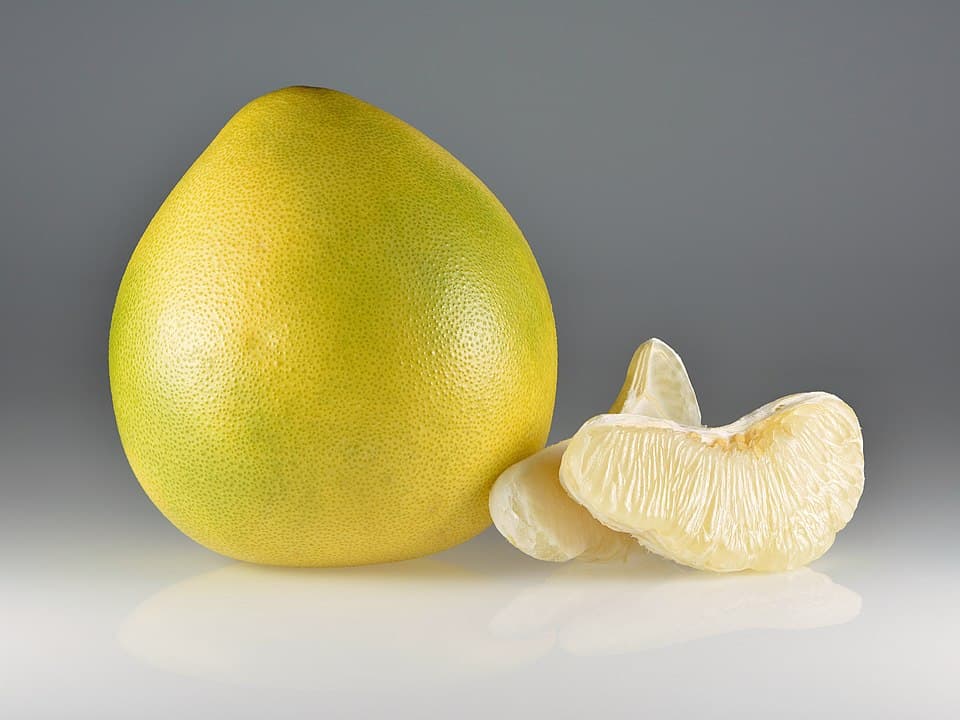
Tổng Quan
- Danh pháp khoa học
- Citrus x limon L.
- Họ thực vật
- Rutaceae
- Bộ phận dùng
- Fresh outer pericarp (flavedo/zest) of ripe fruit
- Phương pháp chiết xuất
- Cold-pressed (expression) — mechanical cold-pressing of fresh peel. **NOT steam distillation.** This distinction is critical for phototoxicity risk.
- Màu sắc
- Pale yellow to greenish-yellow; may darken slightly with age
- Phân loại nốt hương
- Nốt Top
- Hương thơm
- Top note; bright, sharp, intensely citrusy-fresh, slightly tart, clean, light green-herbal facet
- Chemotype / Cultivar
- Multiple cultivars commercially important: 'Eureka' (California, Australia), 'Femminello' (Italy/Sicily), 'Lisbon' (Portugal, California), 'Primofiori' (Spain). Italian-origin oils are enriched in α-thujene, α-pinene, bergamottin; Spanish/Argentinian oils are higher in limonene and sabinene. No formal chemotype designation, but geographic origin significantly affects furanocoumarin and terpene ratios.
Các quốc gia sản xuất chính
Italy (Sicily — world benchmark)ArgentinaUSA (California)SpainBrazilSouth AfricaAustralia
Tình trạng tại Việt Nam
⭐⭐☆☆☆ — Imported product; not commercially produced domestically from C. limon. Chanh vàng (yellow lemon) is less common in Vietnam than chanh ta (C. aurantifolia). Available through specialty aromatherapy suppliers in HCM City and Hanoi. Prices typically 80,000–200,000 VNĐ/10 ml for imported oils; adulteration risk moderate-high.
Phân loại nốt
Top
Cường độ
6/5
Độ bền trên da
30–90 minutes (very volatile top note); on diffuser blotter: 1–2 hours
Họ hương
Citrus
Hương đầu (Opening)(0–15 phút)
Bright, sharp, zesty, clean, fresh, tart, sparkling
Hương giữa (Heart)(15–60 phút)
Tươi sáng, chua dịu, sắc nét, sạch sẽ, rực rỡ — gợi liên tưởng đến vỏ chanh mới bào
Hương nền (Drydown)(1–4 giờ)
30–90 minutes (very volatile top note); on diffuser blotter: 1–2 hours
Cường độ hương
6/5
Da khô
3/5
Not specifically moisturising; use in rich carrier (jojoba, almond) at 1%; brightening benefit but no humectant action
Da dầu/mụn
4/5
Astringent, antimicrobial, sebum-balancing; excellent in 1% toner or serum — but strictly nighttime use or must avoid UV post-application
Da lão hóa
3/5
Brightening and antioxidant benefits relevant; however, photosensitivity makes daytime use risky — nightly use only at ≤1%; lemon distilled EO safer choice for this skin type
Da nhạy cảm
2/5
HIGH CAUTION — limonene is a known contact sensitizer at higher concentrations; start at 0.5% or less; patch test mandatory; avoid oxidised oils
Da hỗn hợp
4/5
Suits T-zone oiliness well; helps unify skin tone; 1% in lightweight carrier
Nhập khẩu** **Imported
Vùng trồng / sản xuất tại VN
C. limon cultivated in scattered small-scale orchards in northern Vietnam (Lào Cai, Yên Bái provinces, highland areas) and Central Highlands (Lâm Đồng). Not commercially EO-extracted.
Tên gọi tại Việt Nam
Chanh vàng (most common) — yellow lemon
Trong Y học cổ truyền VN
Nước chanh (lemon juice — not EO) widely used in Vietnamese folk medicine: hỗ trợ tiêu hóa, giải nhiệt, trị ho, giảm viêm họng, bổ sung vitamin C - Vỏ chanh vàng sắc uống hỗ trợ tiêu hóa, giảm buồn nôn - EO của chanh vàng chưa có ghi chép sâu trong YHCT VN truyền thống; dùng gần đây hơn trong phong trào aromatherapy hiện đại (post-2010) - Được phổ biến trong liệu pháp hương thơm, spa, sản phẩm chăm sóc cá nhân tại các thành phố lớn (Hà Nội, HCM)
Mua hàng tại VN
Nhập khẩu chủ yếu từ Ý, Argentina, Pháp; giá 80,000–200,000 VNĐ/10 ml cho sản phẩm chất lượng - Một số nhà cung cấp VN bán "tinh dầu chanh" giá rẻ có thể là chanh ta (C. aurantifolia) hoặc dầu pha tổng hợp limonene — cần kiểm tra GC/MS và nguồn gốc rõ ràng - Nhà cung cấp đáng tin cậy tại VN nên cung cấp GC/MS certificate, country of origin, extraction method
Pha Chế & Hòa Hợp
Anti-inflammatory
D-limonene (58–74%) inhibits cell migration, reduces cytokine production (TNF-α, IL-6), inhibits 5-lipoxygenase, COX-2, and NF-κB pathways; demonstrated in murine formalin test at 10–30 mg/kg oral dose. Citral-enriched fractions reduce LPS-induced TNF-α, IL-1β, IL-6 in macrophages and counteract oxidative stress (↑ GSH/GSSG ratio);
Ref: PMID 31963590, PMID 32937843
Antimicrobial
Active against Gram-positive bacteria (L. monocytogenes, S. aureus, B. cereus) with MIC 0.039–1.25 mg/ml; Gram-negative activity somewhat lower (MIC 0.625–2.5 mg/ml). Mechanism: terpene-mediated membrane disruption; β-pinene, limonene, and citral are key bioactive components;
Ref: PMID 28774297, PMID 10893099
Antioxidant
DPPH radical scavenging IC₅₀ = 15.056 µg/ml; β-carotene bleaching inhibition IC₅₀ = 40.147 µg/ml; D-limonene mediates antioxidant activity via ERK/Nrf2 signalling pathway upregulation;
Ref: PMID 28774297, PMID 31963590
Anxiolytic / Sedative
D-limonene activates serotonin and dopamine receptors producing sedative and anxiolytic effects; linalool (≤1.5%) has well-established anxiolytic and sedative properties;
Ref: PMID 31963590
Digestive / Carminative
D-limonene increases gastric motility, neutralises stomach acid, relieves gastric reflux, increases bile flow. Used clinically in gastroesophageal reflux at 1 g/day D-limonene oral supplementation;
Ref: PMID 31963590
Hepatoprotective
Stimulates liver detoxification via cytochrome P450 activation and glutathione S-transferase induction in chronic liver conditions; D-limonene drives this action;
Ref: PMID 31963590
PMID 31963590 (Klimek-Szczykutowicz 2020)
Comprehensive review: anti-inflammatory, antimicrobial, anticancer, hepatoprotective activity of C. limon EO confirmed in multiple in vitro and in vivo studies
High — Systematic ReviewPMID 28774297 (Hsouna et al. 2017)
GC-MS + DPPH antioxidant + antimicrobial: MIC 0.039–2.5 mg/ml against 9 bacterial strains; DPPH IC₅₀ 15.056 µg/ml
Moderate — Experimental in vitroPMID 32937843 (Citral fraction 2020)
Citral-enriched fraction suppresses LPS-induced TNF-α, IL-1β, IL-6 in macrophages; increases GSH/GSSG ratio
Moderate — In vitro (murine + human macrophages)PMID 7020168 (Review 2020)
D-limonene: anxiolytic via serotonin/dopamine; digestive via gastric motility increase; anti-obesity via cholesterol-lowering
Moderate — Review with in vivo dataTâm trạng: ** Strongly **Uplifting** + mildly **Stimulating** + **Clarifying**. Secondary: mildly calming (via linalool + limonene dopaminergic effect) without sedation.
Mental fog/confusionlow energylow confidencefeeling heavy or stagnantmild anxietyseasonal low mood (SAD)
Chakra
** **Solar Plexus (Manipura)**
Ngũ hành
Metal
| Phương pháp | Liều lượng | Ghi chú |
|---|---|---|
| Diffusion (khuếch tán) | 4–6 drops | 30–60 min sessions; room up to 20 m²; excellent for morning focus or air purification blends; combine with lavender or rosemary |
| Topical massage (massage) | 1–2% dilution (6–12 drops per 30 ml carrier) | ⚠️ AVOID UV EXPOSURE 12–18 hours after application. Use fractionated coconut oil or jojoba for light texture |
| Bath (tắm) | 4–6 drops dispersed in 1 tsp unscented castile soap or carrier oil | ⚠️ Do NOT apply undiluted directly to bathwater; always pre-disperse. Avoid sun exposure post-bath |
| Inhalation (hít) | 2–3 drops on tissue or inhaler stick | Inhale 5–10 min for mood lift or nausea relief; safe method — no phototoxic risk |
| Skincare (chăm sóc da) | ≤2% in face oil (4 drops per 10 ml) | ⚠️ PHOTOTOXIC at >2% leave-on. If used in leave-on products, must stay indoors 12–18 h post-application OR use distilled lemon EO instead. Comedogenic rating: 1/5 (low) |
| Cleaning/household | 10–20 drops per 500 ml water/vinegar spray | Safe for surfaces; excellent deodoriser and antimicrobial cleaner; no skin phototoxicity concern here |
Dầu nền phù hợp
Jojoba (Simmondsia chinensis)Golden jojoba complements citrus brightness; long shelf life (wax ester — resistant to oxidation); non-comedogenic; excellent for all skin types in lemon-based face serums
Fractionated Coconut Oil (FCO)Colourless, odourless, light texture; allows lemon's aroma to shine unimpeded; good skin penetration; affordable and widely available in Vietnam
Sweet Almond OilMild, nourishing; good for massage blends with lemon for lymphatic drainage or muscle massage
Rosehip Oil (Rosa canina)Synergistic for brightening/pigmentation (both have skin-brightening reputation); however leave-on products with this combination must be used at night only due to compounded photosensitivity from ros
Kết hợp tốt với
Citrus (excellent)Floral (roseylang-ylang)Wood (cedarwoodsandalwood)Herb (lavenderrosemarybasil)Spice (black pepperginger)Resin (frankincense — uplifting spiritual blend)
Blend kinh điển
Lavender + Lemon— Classic brightening + calming blend; enhances antimicrobial synergy; excellent for diffusion and cleaning products
Frankincense + Lemon— Uplifting, clarifying; spiritual/focus blend; softens frankincense's heaviness
Peppermint + Lemon + Rosemary— Cognitive boost blend; studied for mental clarity and focus
Ylang Ylang + Lemon— Balances ylang's heavy floral; creates fresh-floral perfume accord
Cedarwood + Lemon— Grounding + uplifting; excellent for stress-relief diffusion
[Primary safety — phototoxicity] Tisserand R & Young R. Essential Oil Safety, 2nd Ed. Churchill Livingstone, 2014. Lemon (Expressed) p. 313–314. Bergapten dermal limits + phototoxic risk data.
[Chemistry — GC/MS review] Klimek-Szczykutowicz M, Szopa A, Ekiert H. "Citrus limon (Lemon) Phenomenon—A Review..." Plants 2020;9(1):119. DOI: 10.3390/plants9010119. PMID: 31963590
[Chemistry + antimicrobial] Hsouna AB, Ben Halima N, Smaoui S, Hamdi N. "Citrus lemon essential oil: chemical composition, antioxidant and antimicrobial activities..." Lipids Health Dis. 2017;16:146. DOI: 10.1186/s12944-017-0487-5. PMID: 28774297
[Anti-inflammatory (citral)] Cali V et al. "Biological Properties of a Citral-Enriched Fraction of Citrus limon Essential Oil." Molecules 2020;25(18):4231. DOI: 10.3390/molecules25184231. PMID: 32937843
[Phototoxicity — mechanism] Tisserand R. "Phototoxicity: essential oils, sun and safety." Tisserand Institute, 2023. https://tisserandinstitute.org/phototoxicity-essential-oils-sun-and-safety/
[VN botanical context] PMID 31963590 (geographic origin, cultivar data); supplemented with VN agricultural reports on Citrus cultivation
[Data reliability] HIGH for chemistry and safety; MODERATE for VN-specific traditional use (limited peer-reviewed VN-language sources)
An Toàn
Giới hạn da tối đa
Xem chi tiết
Giới hạn IFRA
** IFRA 49th Amendment restricts expressed lemon oil in leave-on skin products due to phototoxicity. FDP-free (furanocoumarin-depleted, steam-processed) lemon oil is NOT subject to phototoxic restrictions.
Thai kỳ & Cho con bú
Tam cá nguyệt 1Unknown
Tam cá nguyệt 2Unknown
Tam cá nguyệt 3Unknown
Giới hạn độ tuổi
Xem chi tiết
Genuine expressed oil: Fresh, bright, intensely citrusy-zesty aroma with slight waxy-green undertone; may have a slight cloudiness at cold temperatures (natural waxes); pale yellow to light greenish-yellow Adulteration risks: Common adulterants are: synthetic limonene (D-limonene isolated), petitgrain lemon (cheaper), steam-distilled lemon oil (different furanocoumarin profile), dilution with fractionated coconut oil or dipropylene glycol. GC/MS with furanocoumarin analysis distinguishes express
Bảo quản
Dark amber glass bottle; refrigerator or cool dark storage (below 15°C ideal); tightly sealed; shelf life: 1–2 years unopened; 6–12 months after opening; high limonene content means rapid oxidation. Do not use oxidised oil on skin.